

COSIGN Her: B. Michelle Williams Is The Strategist Behind The Scenes Shaping The Future of Entrepreneurship
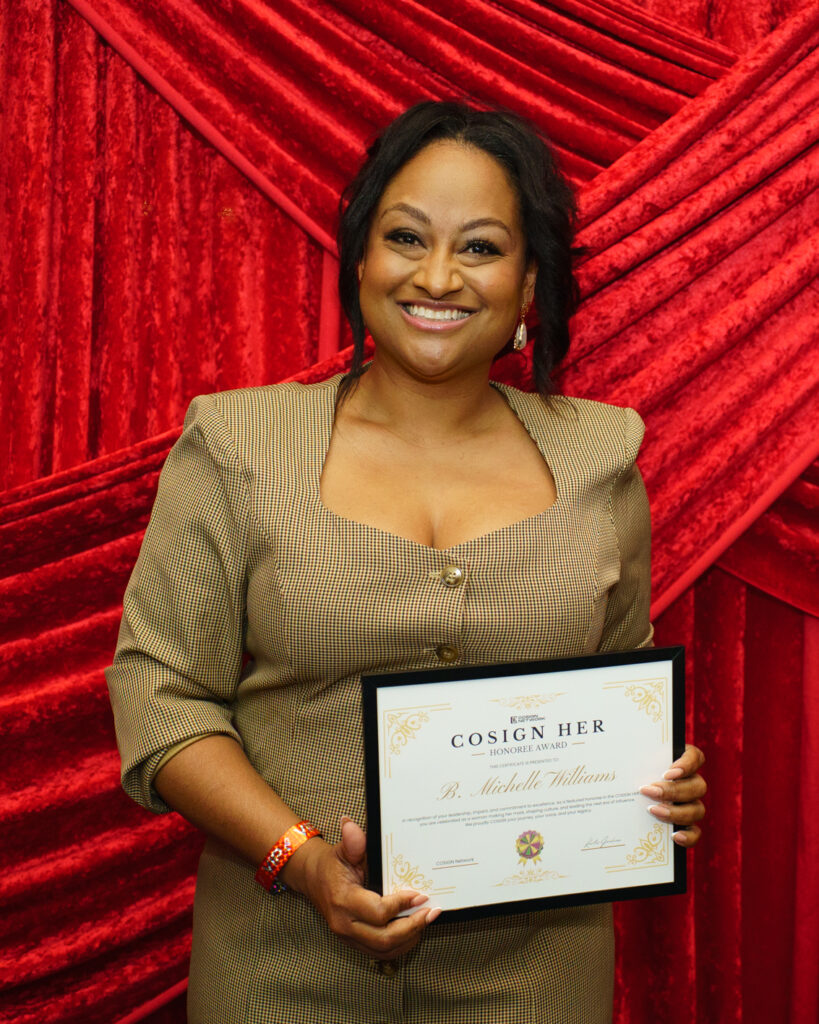
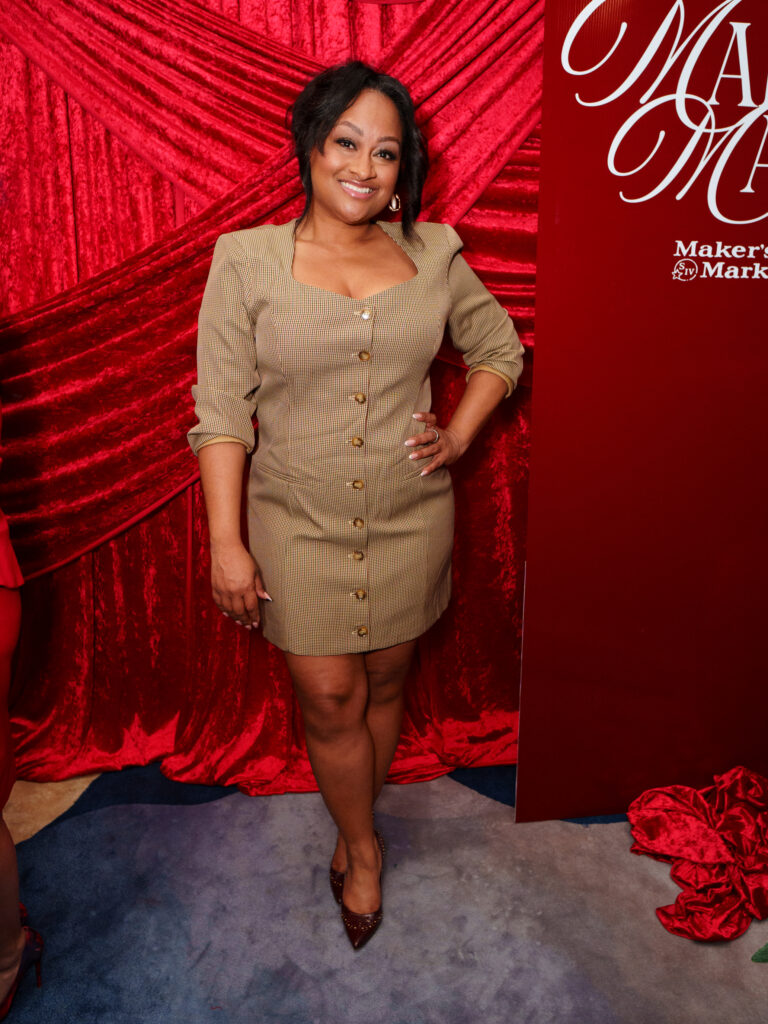
B. Michelle Williams Is Building the Rooms, the Roads, and the Real Opportunities That Move Dallas Forward
In Dallas, there are people who know how to work a room, and then there are people who know how to build one.
Michelle Williams is the latter.
That’s why so many across the city refer to her as the “Olivia Pope” of Dallas-Fort Worth’s entrepreneurial ecosystem. She’s the strategist behind the strategy, the connector behind the connection, the one institutions call when they want more than a flashy initiative and founders look to when they need real insight on what it actually takes to build, scale, and move with power.
Michelle’s résumé is elite. She leads Texas strategy for MassChallenge, the global accelerator helping founders in fintech, biotech, health tech, climate tech, and defense tech scale. She consults for major organizations like Comerica and TD Jakes Enterprises, serves on advisory and nonprofit boards, and has spent years building infrastructure for entrepreneurship, capital access, and economic equity across Texas. She helped raise millions to bring projects like The DEC at RedBird to life and has become one of the most trusted voices in the region on innovation, founders, and the future of opportunity.
But Michelle doesn’t start with the accolades.
She starts with identity.
At her core, she says, she’s a girl from Gainesville, Texas. A country girl. A mother. A woman with a deeply layered background—Black, white, and Chickasaw Freedmen roots—that shaped how she sees community, power, and access. She is clear that what you do can change, but who you are is the anchor.
That grounding shows up in everything she touches. Michelle doesn’t just believe in entrepreneurship as a buzzword. She believes in it as a pathway to economic freedom. She believes in Black and Brown Dallas. She believes in ecosystems that don’t extract from communities, but invest in them. She believes institutions should not just show up with money, but with strategy, humility, and a willingness to collaborate.
That’s why organizations seek her out. Usually, she says, they’re trying to solve one of two things: a strategic problem or an entrepreneurship problem. They may be trying to build an initiative, strengthen an ecosystem, connect the right dots, or figure out how to enter a community without doing harm. Michelle is the person who can see the whole board and move the right pieces.
One of the clearest examples is her work helping build what became The DEC at RedBird. When she first entered that project, RedBird wasn’t the polished destination it is becoming now. It was a near-empty mall and an old Rainbow store with dressing rooms still inside. She was essentially handed a shell and told to build something that mattered—find the construction team, design the layout, raise the money, fill the space, and figure it out.
She had never done anything exactly like that before.
So she learned.
She learned fundraising, coalition building, partnership strategy, operations, and how to create something strong enough to sustain beyond her own tenure. That project helped define her approach to leadership: the true test of what you build is whether it can last after you’re gone.
That same practical brilliance comes through when Michelle talks about capital. In a culture obsessed with startup rounds and flashy fundraising headlines, she offers a much-needed reality check: raising money is hard.
And more importantly, not everybody needs to raise it.
Michelle is quick to separate the fantasy from the real game. Too many entrepreneurs, she says, spend more time trying to figure out how to get a check than how to get a customer. They chase capital before proving the idea. They want venture money before they’ve even tested whether the market actually wants what they’re selling.
Her advice is simple and sharp: before you raise money, ask yourself whether you actually need to.
Especially expensive money.
Because equity-based funding may feel glamorous, but every check comes with a cost. Ownership is expensive. If you raise too early, you may end up giving away too much of your company before you’ve built enough traction to negotiate from a position of strength.
Michelle believes the smartest founders treat every idea like a theory that needs testing. Build the MVP. Let the market play with it. Let customers show you whether it solves a real problem. Then, if the traction is there and the opportunity is ready to scale, raise.
Until then, bootstrap wisely.
That perspective is what makes Michelle so valuable. She can talk venture structure, valuation, and ecosystem strategy at a high level, but she never loses the plot. The point of building a business is not to raise $50 million. The point is to build something customers want.
She’s just as thoughtful about where opportunity is headed. Yes, she sees what everyone else sees in AI. But while most people are chasing the sexy front-end innovations, Michelle is looking deeper.
If someone handed her a million dollars today, she says she wouldn’t rush to throw it into the hottest startup trend. Personally, she’d buy land—specifically in the northern part of the United States, places like Wyoming, Montana, and that broader region.
Why? Climate.
That insight came from a dinner in Martha’s Vineyard with wealthy investors who were thinking beyond the next quarter and even beyond their own lifetime. One woman told Michelle she was investing in land in Wyoming for her children’s children, believing that climate change will destabilize the southern and coastal parts of the U.S. first, making more northern inland regions far more valuable over time.
That conversation shifted something.
Michelle started paying closer attention to where the top one percent are buying and what they’re preparing for. To her, it was a masterclass in how truly wealthy people think: not just about now, but about generational positioning.
If she were investing in innovation specifically, she says she’d put money into AI infrastructure, not just AI applications. Water systems. Electrical systems. The foundational tools and utilities that will power the future. To her, that’s where the low-risk, high-return opportunity sits.
She also sees massive potential in less-hyped but high-growth sectors like biotech, health tech, women’s health innovation, and dual-use products—tools that can serve both consumer markets and defense or resilience needs. Michelle understands that where capital flows tells you a lot about where the world is moving, and she knows how to read that map.
But for all her brilliance around capital and strategy, Michelle’s real superpower might be her honesty about people.
She talks openly about network building as actual work, not magic. About how founders need self-awareness more than swagger. About how some entrepreneurs are more committed to looking like a boss than becoming a CEO. About how ego kills opportunity. About how you must know your weaknesses as a leader if you want to build something durable.
And she speaks from experience.
She understands ambition, but she also understands character. She knows what it means to have once been broke, to feel the psychological relief that comes with not having to check your bank account before filling up your tank, and to still carry the memory of scarcity even after you’ve crossed six figures. She doesn’t romanticize struggle, but she respects what it teaches.
Michelle Williams is many things: strategist, builder, advisor, ecosystem architect, cultural translator, and power broker with purpose.
But more than anything, she is proof that the most impactful people are not always the loudest.
Sometimes they are the ones building the systems, asking the harder questions, protecting the long game, and teaching a city how to think bigger.
And in Dallas, Michelle Williams is doing exactly that.
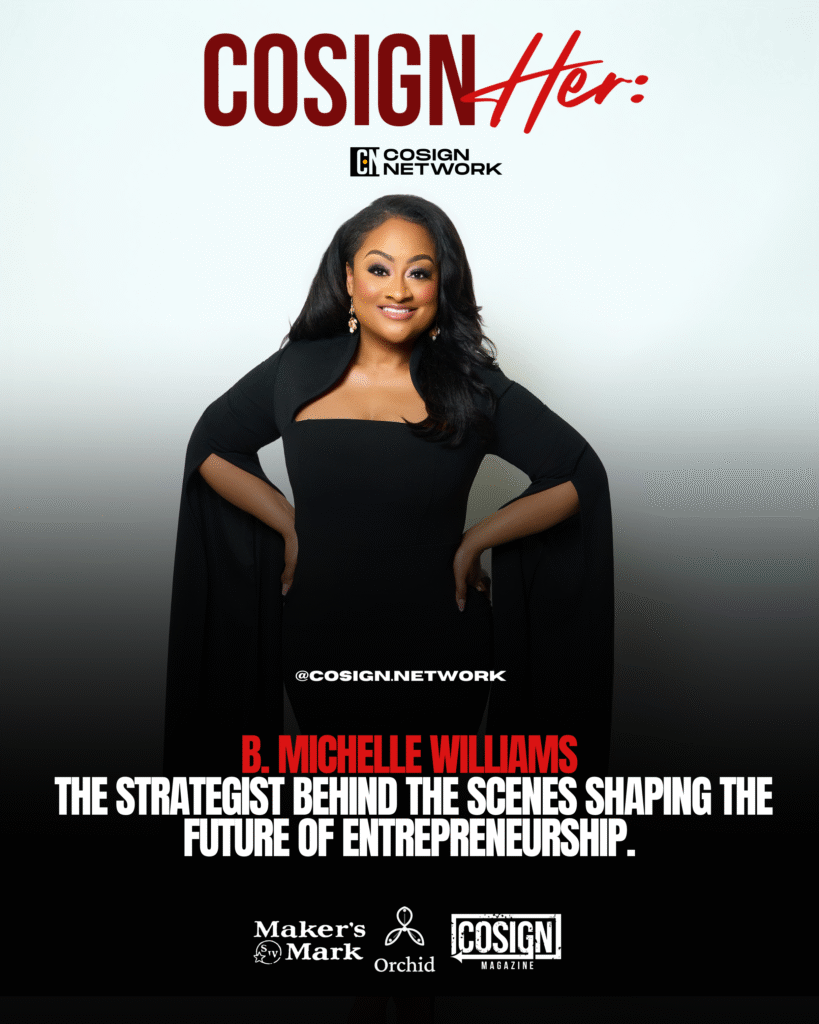
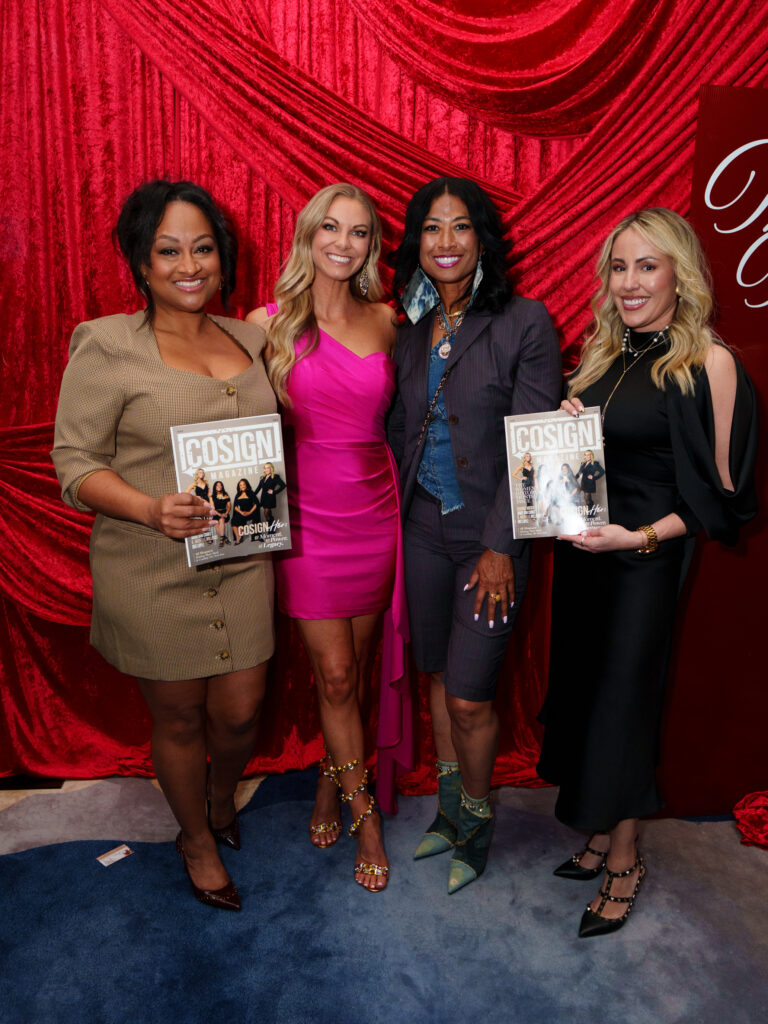
This feature is part of the COSIGN Her series, in partnership with Maker’s Mark, honoring 17 women who are making their mark and leading the next era.
This article is also powered by Orchid — where women don’t compete, we compound. Join a private, intelligent network built for ambitious women to grow, connect, and build real momentum. Request your invite at https://www.orchidonline.co and use code #COSIGN2026