


COSIGN Her: Judge Kim Cooks: Justice, Discipline, and the Power of Opening Doors
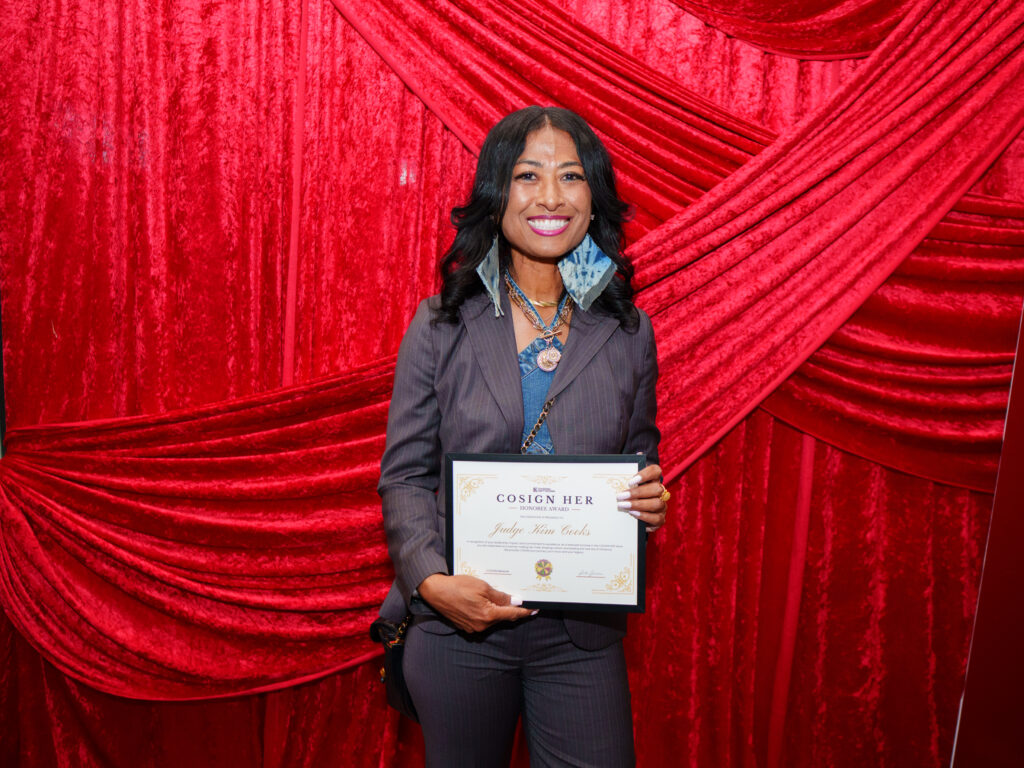
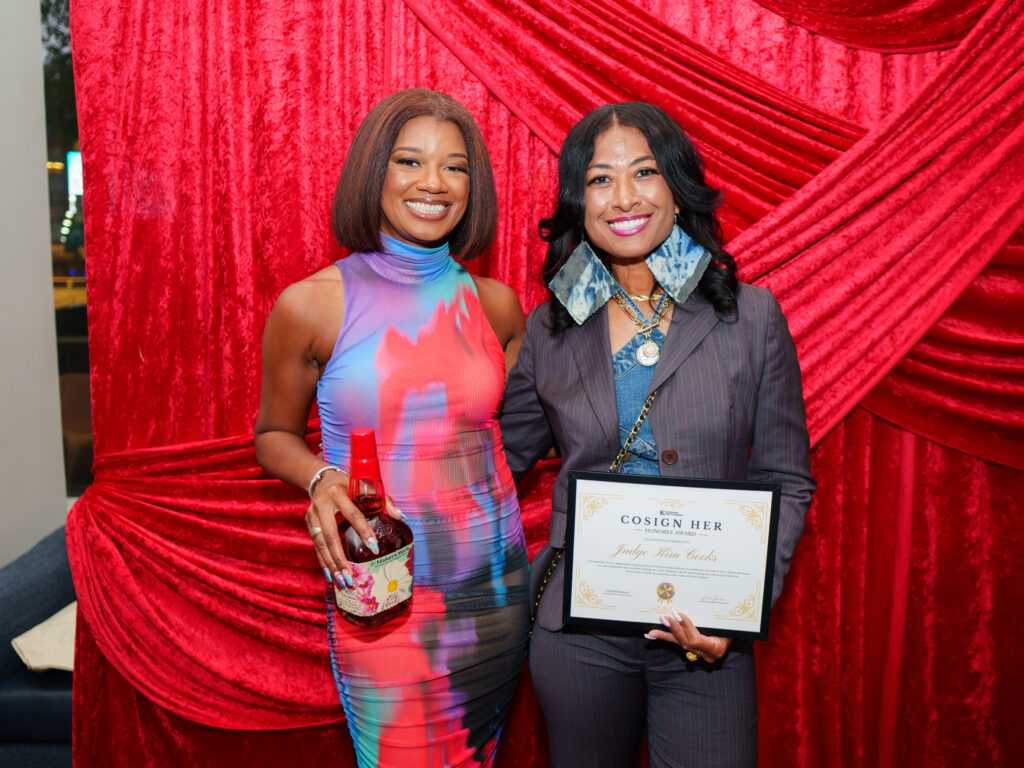
For Judge Kim Cooks, the bench has always been about more than a title. It represents responsibility, service, and the opportunity to create pathways for others who may have once felt excluded from the room.
When she was elected in 2014 as the first African American to preside over the 255th Family District Court in Dallas County, Judge Cooks understood the weight of that moment immediately. It was not simply a personal milestone—it was a historic responsibility.
“I knew I had to protect the position, strengthen it, and ensure that I opened doors for others,” she says.
At the time, minorities were largely absent from many of the key professional roles connected to the family court system—positions like amicus and ad litem attorneys, psychologists, psychiatrists, receivers, and other court-appointed experts. Judge Cooks made it a priority to change that dynamic, ensuring that qualified professionals from diverse backgrounds had opportunities to serve.
For her, justice has never existed solely within the courtroom. It also lives in the systems surrounding it.
That philosophy has guided more than two decades of work in the legal profession. With 24 years as a licensed attorney and extensive experience both as a trial lawyer and district court judge, Judge Cooks continues to be motivated by one powerful belief: representation matters.
“It is important for people to walk into a courtroom and see judges and leaders who reflect the communities they serve,” she explains. “And it is equally important for the next generation to see someone who looks like them in positions of leadership, authority, and influence.”
Growing up, she rarely saw minorities in positions of judicial power. There were few examples to point to, few visible pathways to follow.
“I had to imagine what I wanted to become because I had no example in front of me,” she says.
Today, she works to ensure the next generation does not have to imagine alone. Through mentorship and community involvement, Judge Cooks regularly pours into teenagers and young adults, encouraging them to pursue excellence and leadership.
She wants young women, especially young Black women, to understand that they belong in rooms where decisions are made.
Inside the courtroom, Judge Cooks is known for a leadership style that balances authority with humanity. While many people see the courtroom as intimidating—particularly for women stepping into positions of authority—she has never struggled to command the space.
Instead, her growth has come through developing patience and understanding.
“Every person deserves respect, dignity, and the opportunity to be heard,” she says.
That belief has shaped her approach to justice throughout her career. Having presided over family courts and now felony criminal cases, Judge Cooks has witnessed firsthand how deeply the justice system impacts families and communities.
No two cases are exactly the same, she says, and every decision must be made carefully.
“My first thought is always: can this person be rehabilitated?”
Compassion, she believes, is essential in public service. Applying the law requires fairness, but it must also be grounded in a genuine understanding of people’s lives and circumstances.
That perspective requires discipline—something Judge Cooks practices not only in the courtroom but in every aspect of her life.
Outside of her legal career, she is also a professional bikini bodybuilder and model, an unexpected yet powerful reflection of her philosophy on personal discipline.
“I believe mental, physical, and spiritual discipline are essential in life,” she says.
She practices fasting and intentional self-denial, habits that strengthen her focus and clarity. For Judge Cooks, discipline begins with the mind.
“When your mind is disciplined, it governs everything else.”
That inner strength has helped guide her through challenges, including the next chapter of her career. Judge Cooks is currently running in the 2026 Democratic Run-Off for the 194th Criminal District Court in Dallas County—a position that has never been held by a woman.
When the current judge announced his retirement, he publicly expressed the belief that a woman should not succeed him in the role.
Rather than discouraging her, the statement strengthened her resolve.
“As I run for this court, it has deepened my commitment to this race,” she says.
Her goal is not only to serve but to leave a lasting impact on the justice system in Dallas County.
Judge Cooks hopes to build a legacy where the criminal justice process is more transparent and better understood by the community. She wants residents to feel informed, engaged, and confident that justice is being carried out fairly.
Most importantly, she wants every person who enters the courtroom to be treated with dignity.
For young women who aspire to careers in law or leadership but may feel intimidated by the journey ahead, Judge Cooks offers advice rooted in experience.
“Never allow anyone to place limitations on how far you can go,” she says.
She encourages young women to walk confidently into every room they enter—and if they find there is no seat waiting for them, to prepare themselves to create their own table.
Because throughout her career, Judge Kim Cooks has shown that leadership is not about waiting for permission.
It is about stepping forward with purpose—and opening the door for others to follow.

This feature is part of the COSIGN Her series, in partnership with Maker’s Mark, honoring 17 women who are making their mark and leading the next era.
This article is also powered by Orchid — where women don’t compete, we compound. Join a private, intelligent network built for ambitious women to grow, connect, and build real momentum. Request your invite at https://www.orchidonline.co and use code #COSIGN2026